
Print Problems Usually Start Small
Most print quality issues do not appear overnight. They usually begin with something subtle: a fine line that does not look as sharp as it used to, a small shift in registration, or a section of artwork that feels slightly less defined than the original proof. These changes can be easy to dismiss, especially when production schedules are tight and everything else seems to be running normally. Over time, though, those small inconsistencies can turn into bigger problems that affect waste, turnaround times, and the overall quality of the finished product. In many cases, the printing plate is where the issue begins.
Plates Experience More Wear Than Many People Realize
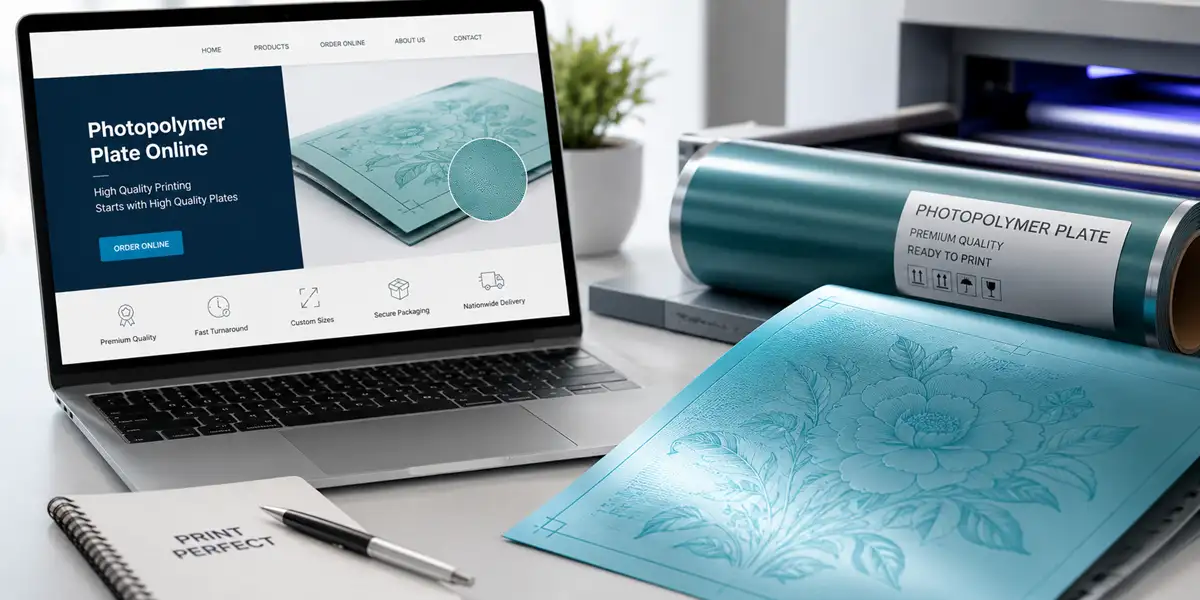
A printing plate goes through a demanding process every time it runs on a press. It handles repeated impressions, constant pressure, cleaning cycles, and exposure to different inks and materials. Even a well-maintained plate will eventually show signs of use. The challenge is knowing when normal wear has crossed the line into something that affects performance. Replacing a plate at the right moment can prevent production headaches later. Having access to a reliable photopolymer plate online service makes it easier to keep replacement plates ready before quality problems begin affecting your workflow.
Losing Detail Is Often the First Sign
One of the easiest ways to notice a worn plate is through changes in image clarity. Small text may start appearing less crisp. Fine details in logos, illustrations, or patterns may lose definition. Solid areas may not transfer ink as evenly as they once did. When this happens, many operators naturally look at the press settings first. They adjust pressure, ink levels, or other variables, hoping to bring the quality back. Sometimes those adjustments help, but when the plate surface has started to deteriorate, no amount of fine-tuning can fully restore the original results.
Consistency Matters From the First Print to the Last
A good printing process should feel predictable. Once a job is approved and production begins, every impression should maintain the same level of accuracy. Aging plates often disrupt that consistency. A run may start perfectly, then gradually develop uneven coverage, registration problems, or changes in image appearance as more impressions are produced. These issues are frustrating because they can slow down production while teams search for answers. If the press is properly maintained and the problem continues, the condition of the plate should be one of the first things examined.
Signs Your Printing Plates May Be Ready for Replacement
Knowing what to look for can help you decide before a small issue becomes an expensive one. Some common signs include:
- Repeated print defects that continue despite press adjustments
- Reduced sharpness in text, graphics, or fine design elements
- Uneven ink transfer or inconsistent coverage across printed areas
- Visible surface damage, such as cracks, chips, or worn sections
- Longer setup times required to achieve acceptable print quality
- Increasing production interruptions caused by inconsistent results
These warning signs are not always dramatic, but they often indicate that the plate is no longer delivering the level of performance your production requires.
Waiting Too Long Can Increase Production Costs
Many businesses try to extend the product life as much as possible, which is understandable. Every production decision involves balancing quality, time, and cost. However, continuing to use a plate that is no longer performing properly can create hidden expenses. Wasted materials, additional labor, slower press setups, and rejected prints can quickly cost more than replacing the plate itself. Modern photopolymer printing plates are designed for accuracy and durability, but they still need to be replaced when wear begins affecting the final result.
The Manufacturing Process Makes a Difference
A replacement plate is only as reliable as the process behind it. Accurate artwork preparation, careful plate production, and proper quality checks all contribute to better performance once the plate reaches the press. Small details matter here because even minor inconsistencies during manufacturing can affect how the final print turns out. At PlateCrafters, we understand that printers depend on precision and reliability, which is why we focus on creating solutions that help businesses maintain consistent results throughout their production runs.
Conclusion
Great printing is built on attention to detail, and that includes knowing when equipment needs attention. Replacing worn plates before they create major production issues helps protect your schedule, reduce unnecessary waste, and maintain the quality your customers expect. If your prints are losing sharpness, becoming inconsistent, or requiring more adjustments than usual, it may be time to consider a replacement. A dependable photopolymer plate online solution can help you stay prepared and keep your production moving forward. Contact us today to learn how we can support your printing needs with precision-made plates designed for reliable performance.
FAQs
1. How often should printing plates be replaced?
The replacement timeline depends on usage, print volume, materials, and maintenance practices. Regular inspections help identify when performance starts declining.
2. What are the signs that a printing plate is worn out?
Common signs include blurry details, uneven ink transfer, registration issues, and repeated print defects despite adjustments.
3. Can worn printing plates affect production costs?
Yes, damaged or aging plates can increase waste, slow production, and lead to costly reprints or additional setup time.
4. Why are photopolymer printing plates used for high-quality printing?
They offer excellent detail reproduction, durability, and consistent performance for demanding printing applications.
5. How can I order replacement printing plates quickly?
Working with a reliable supplier for a photopolymer plate online solution helps ensure timely replacements and smoother production workflows.