
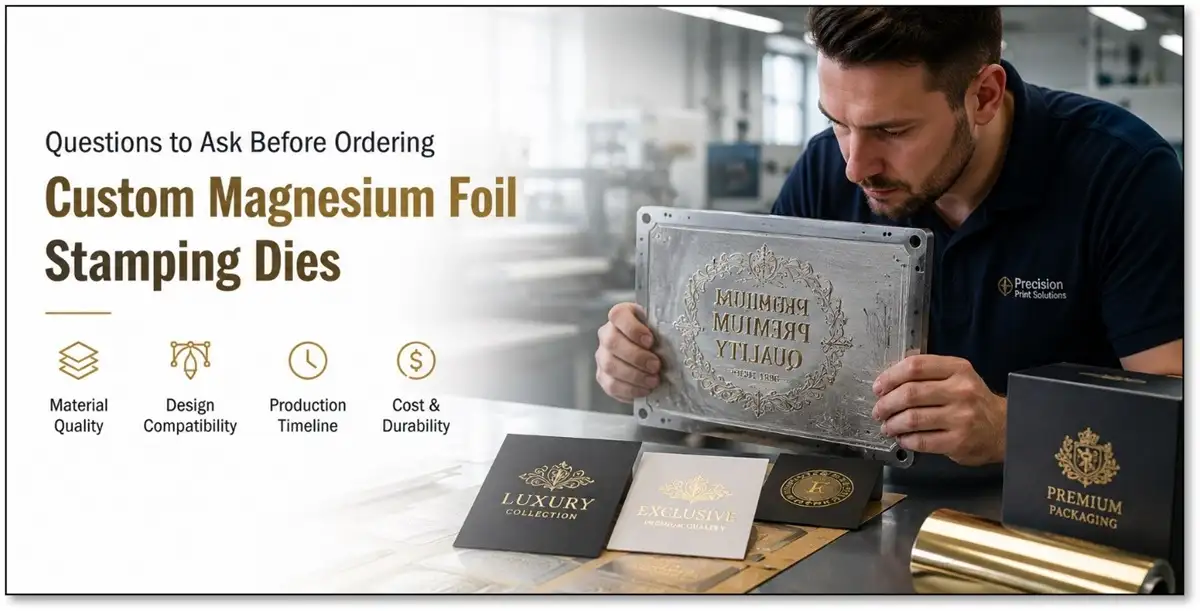
A lot can go right or wrong before a foil stamping project ever reaches the press. The die itself may seem like just one piece of the process, but it often determines how cleanly a design transfers, how consistently it performs, and how smoothly production moves once the job begins. That is why experienced printers tend to ask more questions before ordering, not fewer. A few conversations at the start can save considerable time, expense, and frustration later. Before placing an order for magnesium foil stamping dies, there are several details worth examining closely.
What Makes Artwork Ready for Production?
Artwork that looks great on a screen does not always translate perfectly into a stamped impression. Extremely fine lines, small reverse text, and intricate decorative elements can present challenges depending on the application. The goal is not simply to provide artwork but to provide artwork that can be manufactured accurately. Clean vector files, proper spacing, and clearly defined details give the die maker the best chance of reproducing the design exactly as intended. It is often surprising how many production issues trace back to artwork that was never fully reviewed before submission.
Which Materials Should Be Considered Before Ordering?
The material receiving the stamped image matters more than many people realize. A smooth-coated stock behaves differently from a textured sheet. Folding cartons respond differently from pressure-sensitive labels. Even materials that appear similar can require different levels of heat, pressure, or foil adhesion. Understanding where the finished impression will appear helps determine the specifications needed for reliable results. The more information shared upfront, the fewer surprises tend to appear during production.
What Die Thickness and Relief Depth Are Best for the Project?
There is no universal specification that works for every job. A bold logo on packaging may require a different approach than fine typography on a premium invitation. Die thickness and relief depth influence image clarity, durability, and overall performance on the press. Choosing the correct combination often depends on the artwork, substrate, and equipment involved. This is one area where experience becomes particularly valuable because small adjustments can have a noticeable impact on the finished piece.
How Important Is Turnaround Time When Ordering a Custom Die?
In most print environments, schedules are rarely generous. Jobs overlap, deadlines shift, and production windows can disappear quickly. Knowing the expected turnaround time before placing an order allows for more accurate planning and fewer last-minute complications. It is also worth asking whether expedited production is available if circumstances change. A reliable manufacturing partner should be able to provide realistic timelines rather than optimistic estimates that create problems later.
What Factors Influence the Cost of a Custom Die?
Price is always part of the conversation, but cost alone rarely tells the full story. The complexity of the artwork, the dimensions of the die, production requirements, and delivery expectations all contribute to the final price. Sometimes a lower quote looks attractive until unexpected charges begin appearing along the way. Understanding exactly what is included from the beginning creates a much clearer picture of overall value.
Why Does Production Volume Matter?
A die intended for a limited production run may not require the same considerations as one expected to support thousands of impressions. Production volume helps determine what specifications make the most sense for the job. Sharing realistic expectations about run length allows the manufacturer to recommend solutions that balance performance, longevity, and cost. It is a simple detail, yet it often influences important decisions during the ordering process.
Which Questions Should Be Asked Before Finalizing an Order?
Before approving a project, it helps to review a handful of practical questions that frequently prevent avoidable production issues:
- Is the artwork prepared specifically for foil stamping?
- Which file format is preferred for manufacturing?
- What turnaround time should be expected?
- Which die specifications are recommended for the application?
- Are there any press setup considerations that should be addressed beforehand?
- Will the die support the intended production volume?
- Are there any additional charges for revisions or expedited service?
These questions may seem basic, but they often uncover details that could otherwise cause delays once production is underway.
Why Is Material Quality So Important?
The finished impression can only be as good as the tool creating it. Precision manufacturing contributes directly to cleaner edges, sharper details, and more consistent performance across a production run. Quality magnesium plates provide the accuracy needed for detailed artwork while maintaining dependable results on press. When quality standards slip during manufacturing, the effects usually become visible long before the job is complete.
How Does Technical Support Impact Project Success?
Good technical support is often overlooked until something goes wrong. The best manufacturing partners help identify potential concerns before they become production problems. Guidance on artwork preparation, die specifications, and application requirements can eliminate unnecessary revisions and keep projects moving forward efficiently. This level of support is one reason many customers choose to work with PlateCrafters when precision and reliability matter.
Are All Die Manufacturers Equally Equipped to Handle Complex Projects?
Not necessarily. Equipment, experience, manufacturing processes, and customer support vary considerably from one supplier to another. Some projects are straightforward, while others involve tight tolerances, detailed artwork, or demanding schedules. Evaluating a manufacturer’s capabilities before placing an order helps ensure the project is being handled by a team that understands the technical requirements and can consistently deliver quality results.
Conclusion
Ordering custom dies should never feel like a guessing game. The strongest projects usually begin with clear communication, thoughtful planning, and a willingness to ask the right questions before production starts. Taking the time to discuss artwork, materials, specifications, costs, and production goals can prevent problems that are far more difficult to fix later. If an upcoming project requires expertly manufactured magnesium foil stamping dies, contact us today and let us help turn your artwork into a finished product that performs exactly as expected.
FAQs
1. What file format is best for submitting artwork for a custom foil stamping die?
Vector files such as AI, EPS, or high-quality PDF formats are generally preferred because they preserve detail and scale accurately during production.
2. How long does it typically take to manufacture a custom foil stamping die?
Turnaround times vary by project complexity, but providing complete artwork and specifications upfront usually helps speed up the process.
3. Can the same die be used for different materials?
In some cases, yes, but performance can vary depending on the substrate, so it is important to discuss intended applications before ordering.
4. Why is production volume important when ordering a custom die?
Expected run length helps determine the most suitable die specifications, ensuring reliable performance and cost-effective production.
5. What information should be provided before requesting a quote?
Artwork files, die dimensions, substrate details, production volume, and desired turnaround time help ensure an accurate quotation and recommendation.