
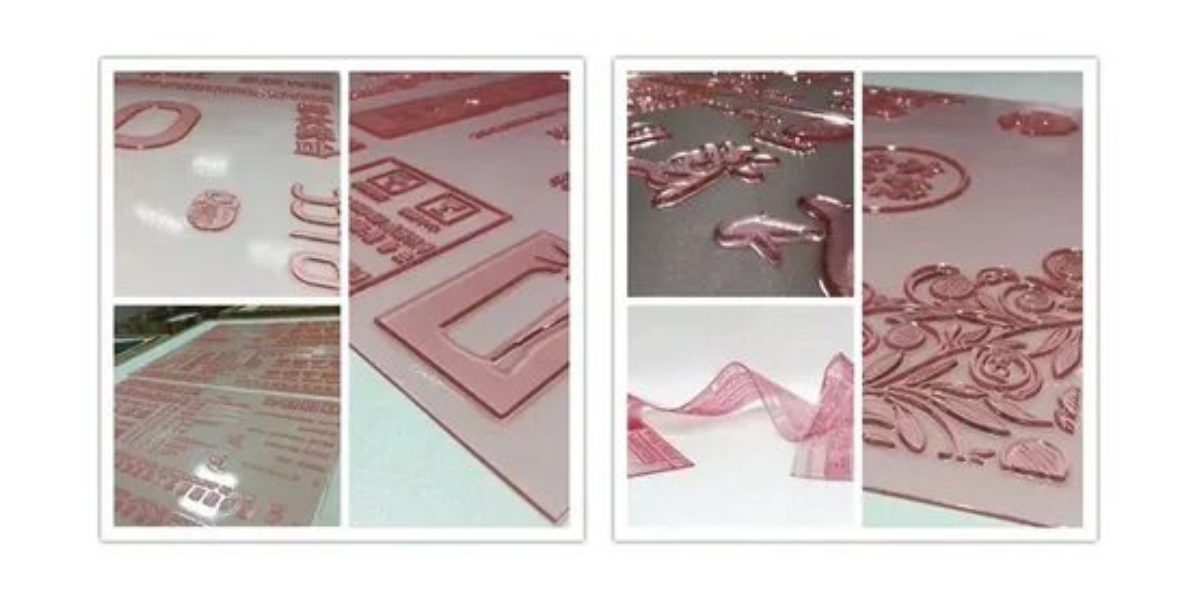
At PlateCrafters, photopolymer plate production has evolved alongside digital technology, not apart from it. That matters more than it sounds. Because in flexographic printing, small gains in accuracy quickly turn into better press performance, cleaner print results, and fewer production issues downstream.
Digital imaging is one of the biggest reasons modern photopolymer plates perform the way they do today. It didn’t just improve speed. It changed how much detail can actually be controlled during plate creation.
From manual limits to digital precision
Older plate-making methods relied heavily on manual processes and film-based steps. That left more room for variation, especially when working with fine details or complex artwork.
Digital imaging replaced much of that uncertainty with controlled, repeatable accuracy. Instead of interpreting artwork through multiple physical stages, the image is transferred directly with far more consistency.
For flexographic printing plates, that shift matters because every step removed reduces the chance of distortion. What goes in is much closer to what comes out.
Better control of fine detail
One of the clearest improvements in digital imaging is how it handles detail. Small text, thin lines, and tight patterns are now far more stable during reproduction.
This is especially important for industries that depend on clarity, like labels, packaging, and pharmaceutical work.
With modern imaging, photopolymer plates can hold finer screens and sharper edges, which means the following:
- Cleaner text reproduction
- More stable highlight details
- Improved image consistency across runs
- Reduced loss of fine artwork during plate processing
This level of control is a key reason printer now rely on professional trade shops instead of in-house plate production.
More consistent plates
Consistency is where digital imaging really proves its value. Once artwork is set in a controlled digital workflow, it can be reproduced with the same accuracy again and again.
That reduces variation between plates, even on repeat jobs. For packaging companies, that consistency is not optional. It keeps branding aligned across different production runs and different facilities.
At PlateCrafters, digital workflows are integrated with advanced screening and processing methods to ensure that flexographic printing plates maintain uniform quality every time they are produced.
Improved efficiency on the press
Accuracy in plate making directly affects how smoothly a job runs on press. When plates are consistent, setup becomes easier and press adjustments are reduced.
Better digital imaging contributes to:
- Faster make-ready times
- Fewer press interruptions
- More stable ink transfer
- Reduced material waste
- Smoother long-run performance
These improvements are not just technical benefits. They translate into real production efficiency for printers and packagers working under tight schedules.
How PlateCrafters applies digital imaging technology?
Since 1971, PlateCrafters has developed alongside major changes in prepress technology, from rubber plates to photopolymer systems and now advanced digital plate imaging.
Today, digital imaging is combined with modern screening, high-resolution equipment, and refined photopolymer processing methods. This allows us to produce photopolymer plates for sale that meet the demands of multiple industries, including pharmaceutical packaging, corrugated printing, labels, and specialty applications.
The focus is not only on producing plates but also on producing accurate plates that perform consistently under real press conditions.
Why accuracy starts before the press?
A common mistake in printing is assuming problems begin on press. In reality, many issues are already built into the plate.
Digital imaging reduces that risk by improving control at the earliest stage of production. When the plate is accurate from the start, everything that follows becomes more predictable.
That is why flexographic plate manufacturers continue investing in imaging technology. It is not about complexity. It is about reducing uncertainty.
Printing performance depends on plate quality.
Even the best press cannot compensate for an inaccurate plate. That simple fact is what drives continued improvements in photopolymer technology.
When printers choose reliable printing plates for sale, they are really choosing how stable their entire production process will be. Better imaging means better control, and better control means fewer surprises on press.
Final Thoughts
At PlateCrafters, digital imaging is not treated as an upgrade or add-on. It is part of a broader commitment to precision in every stage of plate production. As flexographic printing continues to demand higher accuracy and consistency, photopolymer plates for sale produced through advanced digital processes remain essential to reliable print performance.
Also Read: The Role of Precision in Flexographic Plate Manufacturing.
FAQs
What is digital imaging in photopolymer plate production?
Digital imaging is the process of transferring artwork directly onto photopolymer material using high-resolution equipment, improving accuracy and reducing variation.
How does digital imaging improve flexographic printing plates?
It enhances detail reproduction, improves consistency between plates, and reduces errors that can occur in traditional film-based workflows.
Why is accuracy so important in flexographic printing?
Accurate plates ensure proper registration, consistent ink transfer, and fewer press issues, all of which improve overall print quality and efficiency.
Are photopolymer plates still widely used today?
Yes. Photopolymer remains the standard material for modern flexographic printing due to its durability, detail reproduction, and compatibility with digital workflows.