
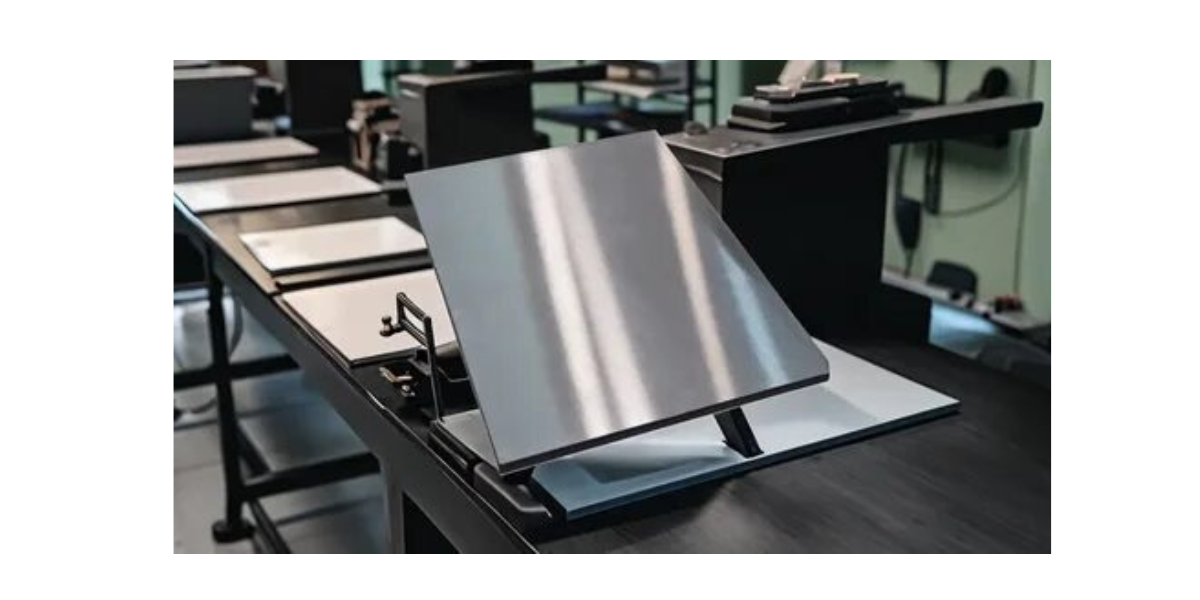
At PlateCrafters, magnesium die production is treated as a precision-driven process, not just a manufacturing step. Whether the job involves magnesium foil stamping dies, embossing, or engraving, the expectation is always the same: clean detail, consistent depth, and dependable performance on press.
Magnesium is widely used because it etches quickly and produces sharp results. But like any material used in high-detail work, the outcome depends heavily on how well each stage of production is controlled.
Uneven Etching and Surface Variation
One of the most common challenges in die making is uneven etching. If the chemical bath is not carefully balanced or monitored, certain areas of the die may etch faster than others. That leads to inconsistent depth and uneven print results.
To prevent this, controlled etching conditions are maintained throughout the process. Careful monitoring of timing, solution strength, and exposure ensures that magnesium plates develop a consistent surface across the entire die. This is especially important for detailed foil-stamping work where uniform pressure is required.
Loss of Fine Detail During Processing
Magnesium is excellent for detail work, but fine lines and small text can be affected if exposure or development is not handled correctly. Overexposure can harden areas that should remain soft, while underexposure can lead to weak image definition.
Our precision in imaging and exposure helps preserve detail from artwork to finished die. The goal is simple. What is designed digitally should transfer cleanly into the final magnesium foil stamping dies without distortion or loss of clarity.
Depth Inconsistency in Engraving
Embossing and debossing depend heavily on depth accuracy. If the etching process creates uneven depth, the final stamped or embossed result will not align properly with design expectations.
This issue is prevented through controlled etching cycles and careful inspection during production. Consistency across magnesium plates ensures that pressure is distributed evenly during stamping, which leads to cleaner and more predictable results on the press.
Edge Distortion and Undercutting
Another issue that can occur in magnesium die production is edge distortion, where fine edges begin to break down or lose sharpness during etching. Undercutting can also occur if the chemical process spreads beyond intended boundaries.
Preventing this requires tight process control and experienced handling. Protective resist coatings and precise timing help ensure that edges remain clean and defined, which is essential for high-quality stamping and engraving work.
Surface Contamination During Production
Even small contaminants on the surface of magnesium sheets can affect the final dye. Dust, residue, or improper handling can interfere with the resist layer and lead to imperfections in the etched result.
This is managed through careful material handling and controlled production environments. Clean surfaces at every stage help ensure that magnesium plates remain consistent and free from unwanted defects.
Maintaining Consistency Across Production Runs
For printers working on repeat jobs, consistency is just as important as quality. A die must perform the same way every time it is used, regardless of production volume or timing.
At PlateCrafters, long-term experience in producing magnesium foil stamping dies helps ensure repeatability. Controlled processes, combined with skilled craftsmanship, support consistent output across multiple runs and applications.
Why Process Control Matters in Magnesium Die Production
Magnesium reacts quickly during etching, which makes precision even more important. Small variations in timing or exposure can lead to noticeable differences in the final result.
That is why experienced manufacturers focus on process stability from start to finish. It is not just about producing a die. It is about producing a predictable tool that performs reliably under pressure.
How PlateCrafters Approaches Die Accuracy
With decades of experience in the printing industry, we combine traditional craftsmanship with controlled production methods to produce reliable magnesium dies for a wide range of applications.
From magnesium plates used in engraving to detailed foil stamping dies, the focus remains on accuracy, consistency, and dependable performance. Every step is designed to reduce variation and support high-quality printing outcomes across industries such as packaging, labels, and specialty printing.
At PlateCrafters, the goal is not only to manufacture dies but also to ensure they perform correctly in real production environments where precision matters.
Also Read: How Digital Imaging Improved Photopolymer Plate Accuracy.
FAQs
What are magnesium foil stamping dies used for?
They are used in foil stamping, embossing, engraving, and other finishing applications where detailed impressions are required on packaging and printed materials.
Why is magnesium commonly used for die making?
Magnesium is lightweight, etches quickly, and produces sharp detail, making it suitable for a wide range of printing and finishing applications.
What causes inconsistencies in magnesium plates?
Common causes include uneven etching, exposure errors, contamination, or lack of process control during manufacturing.
How does PlateCrafters ensure die quality?
PlateCrafters uses controlled production methods, experienced craftsmanship, and strict quality checks to ensure consistent and accurate magnesium die output.