
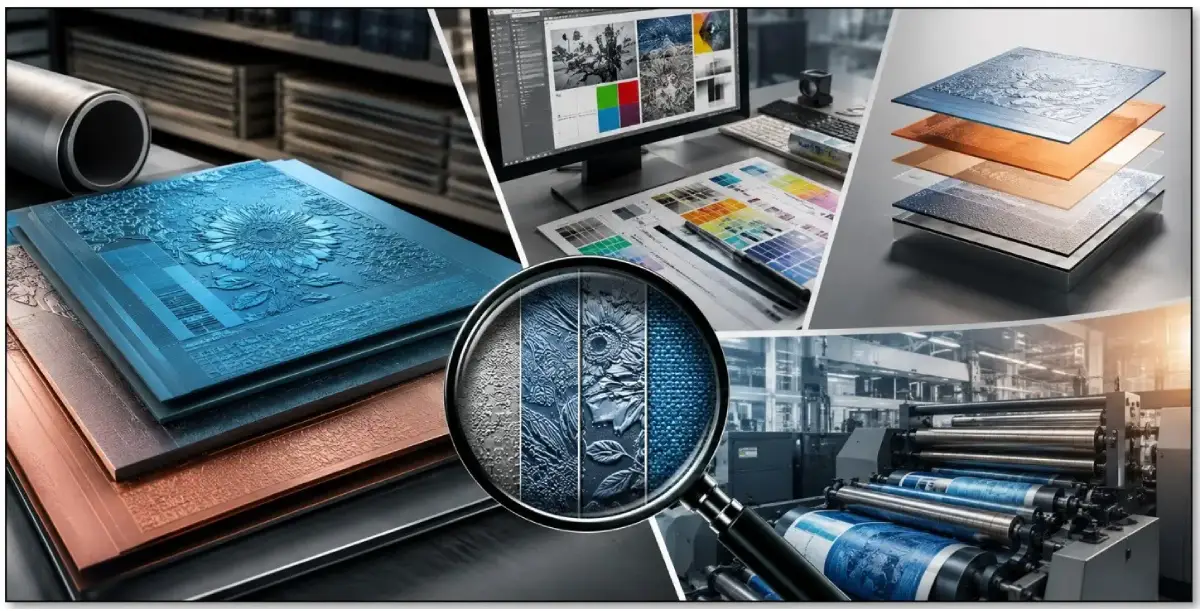
Printing plates are one of those parts of the printing process that often stay out of sight. Most attention goes to the finished package, label, publication, or promotional material, while the work that happens before the press receives much less attention. That can lead to some fairly persistent misunderstandings. Pre-press is not simply about preparing a file and sending it to production. Plate selection, artwork preparation, image quality, registration, and plate construction can all influence what happens once the job reaches the press.
Myth 1: The Printing Plate Is Just a Simple Transfer Tool
It is easy to think of a printing plate as nothing more than a surface that carries an image. In reality, the plate plays an important role in transferring that image accurately and consistently during production. The quality of the plate, the way the image is prepared, and how carefully the plate is produced can all affect the final result. Small problems introduced before printing may become much more noticeable once the press is running, which is why careful pre-press preparation matters.
Myth 2: Pre-Press Starts After the Artwork Is Finished
Finished artwork does not necessarily mean the job is ready for the press. Pre-press involves several steps that help prepare the artwork and plate for actual production. We may need to review dimensions, image resolution, colors, trapping, registration, and other technical details before the plate is produced. Catching an issue at this stage is generally much easier than discovering it after materials have been prepared and the press is already operating.
Myth 3: All Printing Plates Work the Same Way
Different printing applications call for different plate materials, construction methods, and preparation techniques. A plate that works well for one process may not be the right choice for another. Aluminium offset printing plates, for example, are associated with offset printing and have specific characteristics suited to that process. Understanding the application before selecting a plate helps ensure the material and preparation approach match the requirements of the job.
Myth 4: Older Printing Plates Are Automatically Worth More
Age can make a printing plate interesting, but it does not automatically make it valuable. A plate’s subject matter, condition, markings, origin, and connection to a particular printing process may be much more important. For anyone browsing vintage printing plates for sale, it is worth looking beyond the date or appearance. A plate with identifiable artwork or historical context may have considerably more appeal than an older piece with no clear story behind it.
Myth 5: Small Plate Defects Do Not Matter
A tiny scratch, dent, surface mark, or other imperfection may seem insignificant when viewed away from the press. However, printing involves repetition, so a small problem can potentially appear across an entire run. This is why plate inspection should not be treated as a formality. Before production, we look at details that could affect image transfer, consistency, registration, or overall print quality.
Myth 6: Digital Artwork Has Made Plate Preparation Unimportant
Digital artwork has certainly changed the way designs are created and prepared, but it has not eliminated the need for careful plate production. A perfectly prepared digital file still needs to be translated into a physical printing process when plates are required. The transition between digital artwork and the press is where technical knowledge becomes especially useful. Good pre-press work helps bridge that gap and gives the printer a more reliable starting point.
What Should Printers Actually Look For?
Rather than relying on assumptions, it helps to evaluate the entire pre-press workflow. Pay attention to:
- Artwork quality and technical specifications.
- The printing process and intended application.
- Plate material and construction.
- Image placement and registration requirements.
- Plate condition before production.
- Communication between artwork, pre-press, and press teams.
Looking at these details together provides a much clearer picture of what a successful printing job requires.
Why Professional Plate Preparation Matters
Good printing results rarely happen by accident. The finished piece may look simple, but there can be considerable preparation behind that result. At PlateCrafters, we recognize that dependable plate production starts with understanding the requirements of each job rather than treating every project exactly the same way. Careful preparation can help reduce avoidable issues, support consistency, and make the transition from artwork to press much smoother.
Conclusion
Printing plates and pre-press work are often misunderstood because much of the process happens before the finished product is visible. Separating fact from assumption makes it easier to make informed decisions about materials, preparation, and production. If you are looking for reliable printing plate solutions or need help understanding what your next project requires, get in touch with us at Plate Crafter today and let us help you approach the pre-press process with greater confidence.
FAQs
1. Why is pre-press important for printing plates?
Pre-press helps ensure artwork, dimensions, registration, and plate specifications are properly prepared. This can reduce errors before the job reaches the press.
2. Do all printing plates work with every printing process?
No, different printing processes require different plate materials and preparation methods. Choosing the right plate depends on the application and press requirements.
3. Are older printing plates automatically valuable?
Not necessarily. Condition, artwork, markings, historical relevance, and origin can all influence a vintage plate’s appeal.
4. Can small defects on a printing plate affect print quality?
Yes, scratches, dents, or surface damage can potentially affect image transfer and consistency. Careful plate inspection helps identify such issues before production.
5. Does digital artwork eliminate the need for professional pre-press?
No, digital artwork still needs proper preparation before it can be translated into a physical printing process. Professional pre-press helps ensure the artwork is ready for accurate plate production.