
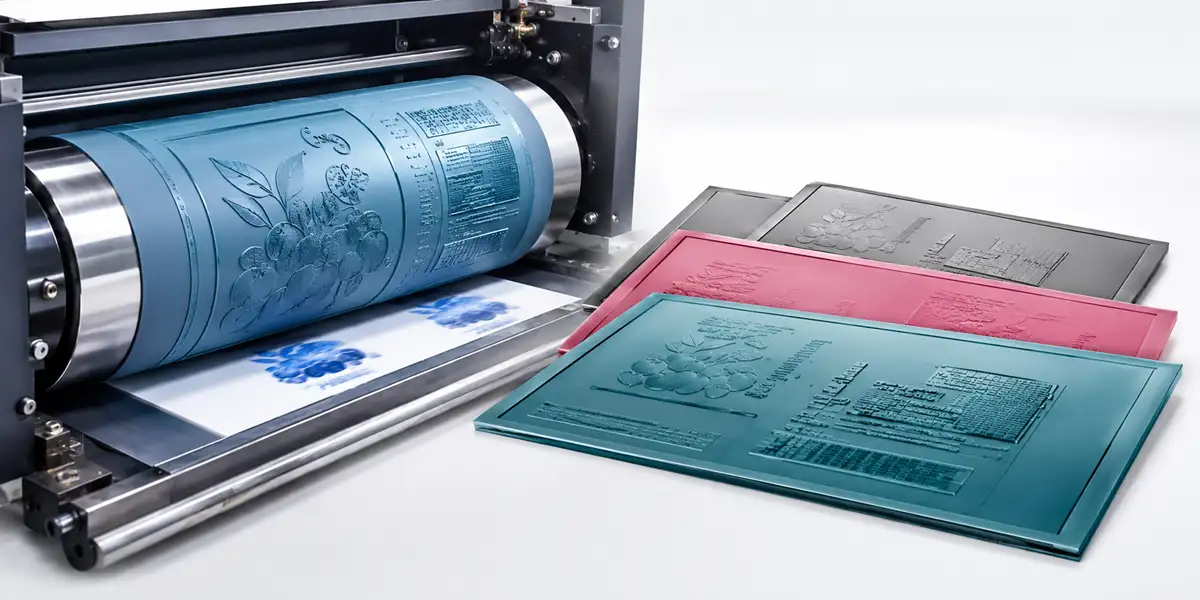
The Real Purpose Behind Foil Stamping Goes Beyond a Shiny Finish
Foil stamping is often the first thing people notice on a beautifully finished package, label, or printed piece. The metallic shine catches the eye, the raised details invite touch, and the overall appearance feels more refined. Because of that visual impact, many people assume foil stamping is simply a decorative step added at the end of production. That idea misses what actually goes into creating a successful result. Foil stamping is a precise process that depends on thoughtful design, accurate tooling, material selection, and careful preparation. When done correctly, it does more than make a product look attractive. It helps communicate quality and creates a stronger impression before a customer even interacts with the product.
Myth: Foil Stamping Is Only Used to Make Products Look Premium
A common misconception is that foil stamping exists only to give products a luxury appearance. While it is certainly popular in premium packaging, invitations, and specialty products, its purpose extends much further. Foil can be used to highlight specific design elements, improve readability, and guide attention toward important details. A logo, product name, pattern, or small accent can become much more noticeable when foil is applied with the right balance. The best results usually come from restraint. A well-planned foil application does not overwhelm the design. It supports it.
Myth: Foil Stamping Is Limited to Certain Types of Projects
Some businesses hesitate to consider foil stamping because they believe it only works for high-end brands or elaborate designs. That is not the reality. Today, foil stamping is used across packaging, labels, promotional materials, and many specialty print applications. A simple design can benefit from a subtle foil accent just as much as a detailed package can benefit from a more dramatic finish. The key is understanding how the finish interacts with the material, artwork, and intended use.
Myth: The Foil Choice Is What Determines the Final Quality
Choosing the right foil is important, but it is only one part of the process. Many production issues come from overlooking other details. The quality of the die, the accuracy of the artwork, the surface being stamped, and the setup of the equipment all influence the outcome. A beautiful foil color cannot correct a poorly prepared design or an unsuitable material choice. This is where experience matters. Understanding how different elements work together helps prevent problems before they appear during production.
What Actually Affects Foil Stamping Performance?
Successful foil stamping relies on several technical considerations working together. Before production begins, we carefully evaluate details such as:
- Artwork preparation: Fine lines, small lettering, and intricate patterns need to be designed with the stamping process in mind to maintain clarity and definition.
- Material selection: Paper, film, and other substrates react differently during stamping, so choosing the right surface is essential.
- Die accuracy: A properly made die creates clean impressions and consistent results throughout the production run.
- Design balance: The strongest foil applications enhance the overall design instead of competing with other visual elements.
Myth: Foil Stamping Has Nothing to Do With the Rest of the Printing Process
Another misunderstanding is that foil stamping happens independently of other printing stages. In practice, each part of the production process influences the next. Artwork preparation, printing, proofing, and finishing all need to work together to achieve the intended result. The same attention to detail required when producing flexo printing plates also applies when preparing a project that includes specialty finishes. Small inconsistencies early in the process can become much more noticeable once foil stamping is added.
Why Proofing Matters Before Moving Into Production
Proofing plate crafters understand that reviewing a design before production can prevent avoidable issues. A proof allows important details to be checked, from placement and alignment to how design elements will appear once finished. This step is especially valuable for projects involving foil because metallic finishes can change the way certain details are perceived. Taking time to review the final approach helps create a smoother production process and a result that matches the original design intent.
Conclusion
Foil stamping is not just about adding a reflective surface to a printed product. It is a combination of design thinking, technical skill, and careful execution. When businesses understand what actually influences the process, they can make better decisions about materials, artwork, and finishing options. PlateCrafters works with customers who want more than an attractive finish. We help create results where every detail has a purpose.
Proofing plate crafters know that successful specialty printing starts long before the final product reaches the customer. If you are planning a project that involves foil stamping, embossing, or other precision finishing solutions, contact PlateCrafters today to discuss your requirements and find the right approach for your next print application.
FAQs
1. Is foil stamping only used for luxury packaging?
No, foil stamping can enhance packaging, labels, promotional materials, and specialty print projects across many industries.
2. What factors affect the quality of foil stamping results?
Die accuracy, artwork preparation, material selection, and production setup all influence the final appearance and consistency.
3. Why is proofing important before foil stamping production?
Proofing helps identify design, placement, and alignment issues before production, reducing costly mistakes.
4. Can foil stamping be combined with other printing methods?
Yes, foil stamping works alongside different printing processes when each stage is carefully planned and coordinated.
5. How does foil stamping improve printed materials?
Beyond adding visual appeal, foil stamping highlights key design elements and creates a more memorable customer experience.