
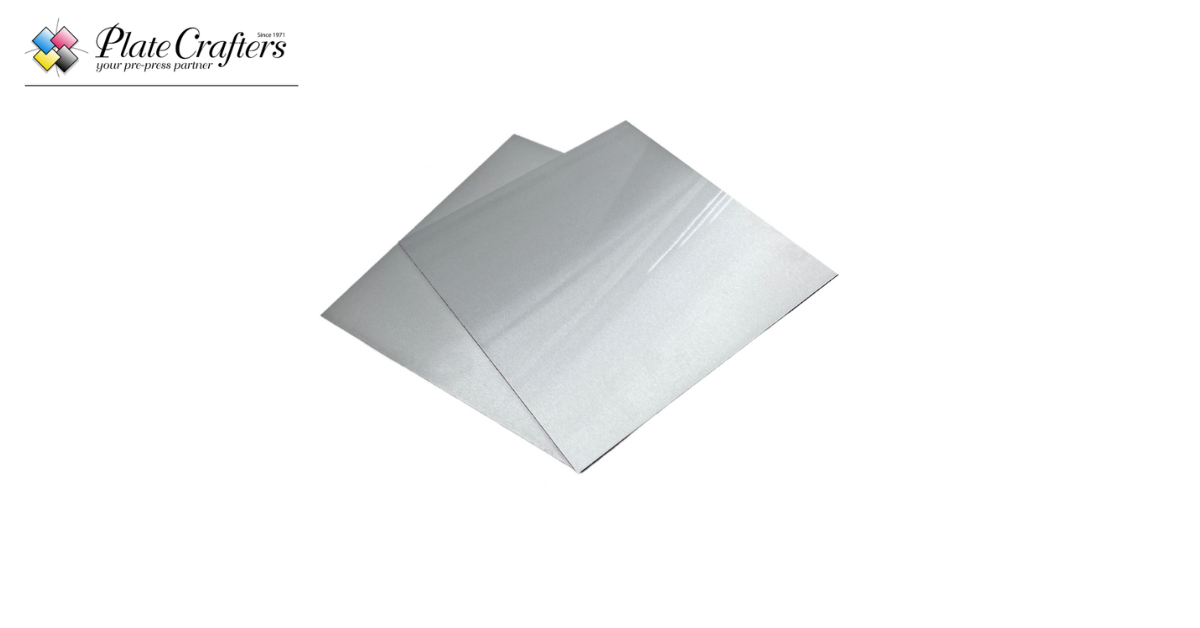
Fine line artwork leaves no room for shortcuts. When a design depends on crisp edges, controlled pressure, and consistent transfer, the tooling behind the process matters as much as the artwork itself. That’s where magnesium foil stamping dies play a critical role. At PlateCrafters, we work with printers and finishers who rely on precision, not guesswork. Our approach to magnesium tooling is built around clarity, speed, and repeatable results, especially for projects that demand fine detail.
Foil stamping is often chosen to elevate a piece visually, but the success of that enhancement depends on how accurately the die transfers the design. Fine lines, small text, and intricate patterns require dies that respond predictably under heat and pressure. This is where magnesium becomes an effective material choice, particularly when the goal is clean detail rather than deep sculpting.
Why Fine Line Artwork Demands Precision Tooling
Fine line artwork is unforgiving. Slight variations in pressure or plate consistency can cause lines to break, fill in, or disappear entirely. In foil stamping, these issues become even more visible because metallic foils amplify flaws instead of hiding them.
Using magnesium foil stamping dies allows us to produce a sharp image transfer without excessive pressure. Magnesium’s properties support consistent contact between the die, foil, and substrate, which is essential for maintaining the integrity of thin lines. This makes it a reliable option for designs that depend on clarity rather than depth.
At PlateCrafters, we focus on matching the tooling to the artwork. Fine lines benefit from controlled stamping conditions, and magnesium supports that balance when used correctly.
How Magnesium Supports Fine Detail Reproduction
One of the key advantages of magnesium is its ability to hold detail accurately during the etching process. When artwork is properly prepared, magnesium dies reproduce line work cleanly, allowing foil to release exactly where intended.
Our magnesium plates are produced to support precise image areas without unnecessary distortion. This matters when working with tight registration, small typography, or delicate patterns. Magnesium responds quickly during stamping, which helps prevent over-stamping that can blur or flatten fine lines.
Because magnesium dies are lighter and faster to produce, they are often chosen for projects where turnaround time matters but quality cannot be compromised. For fine line artwork, that balance is critical.
Consistent Results for Short and Medium Runs
Many fine line foil stamping projects involve shorter production runs, specialty pieces, or seasonal work. In these cases, efficiency matters, but not at the expense of detail. Magnesium foil stamping dies are well-suited for these applications because they deliver consistent results without unnecessary tooling complexity.
At PlateCrafters, we manufacture magnesium dies with production realities in mind. Our goal is to help presses run smoothly while maintaining the visual sharpness the artwork requires. Fine lines stay readable, edges remain defined, and foil coverage stays controlled across the run.
The Role of Proper Die Design and Preparation
Fine line success doesn’t happen by accident. Artwork preparation, line weight control, and proper die depth all influence the final result. Our team works within these parameters to ensure that magnesium plates support the intended outcome rather than fighting against it.
We pay close attention to how artwork translates into tooling. Magnesium allows for accurate reproduction when the design is optimized for foil stamping. This collaboration between design intent and die production is what preserves fine details during stamping.
Why Printers Continue to Choose Magnesium for Detail Work
Despite the availability of multiple die materials, magnesium remains a trusted choice for fine detail foil stamping. Its predictability, responsiveness, and efficiency make it well-suited for artwork where precision matters more than depth.
At PlateCrafters, we continue to support magnesium because it aligns with real-world production needs. Magnesium foil stamping dies help printers achieve clean results without unnecessary complexity, especially for fine line applications that demand control.
Our experience shows that when magnesium is used appropriately, it delivers reliable detail and smooth foil release, two factors that define successful fine line stamping.
Conclusion
Fine line artwork requires more than just good design, it requires tooling that respects every detail. Magnesium foil stamping dies provide the control and accuracy needed to reproduce thin lines, small text, and intricate elements without compromise. At PlateCrafters, we manufacture magnesium plates with precision, efficiency, and press performance in mind.
By choosing the right die material and producing it with care, we help ensure that fine line artwork remains sharp, readable, and visually consistent. When detail matters, magnesium remains a dependable solution, and we’re committed to delivering it with the quality our clients expect.
Also Read: Custom Foil Stamp and Hot Foil Stamping Dies Made for Work That Needs to Be Seen.
FAQ’s
They are used to transfer foil with precision, especially for fine line artwork, logos, and detailed graphic elements.
Magnesium plates hold fine details accurately, allowing clean foil transfer without excessive pressure during stamping.
They are best suited for short to medium runs where detail, efficiency, and consistent results are required.
Yes, magnesium plates perform well with standard foils when proper heat, pressure, and setup are maintained.
They allow faster setup and easier control, reducing adjustments while maintaining sharp detail in fine line artwork.