
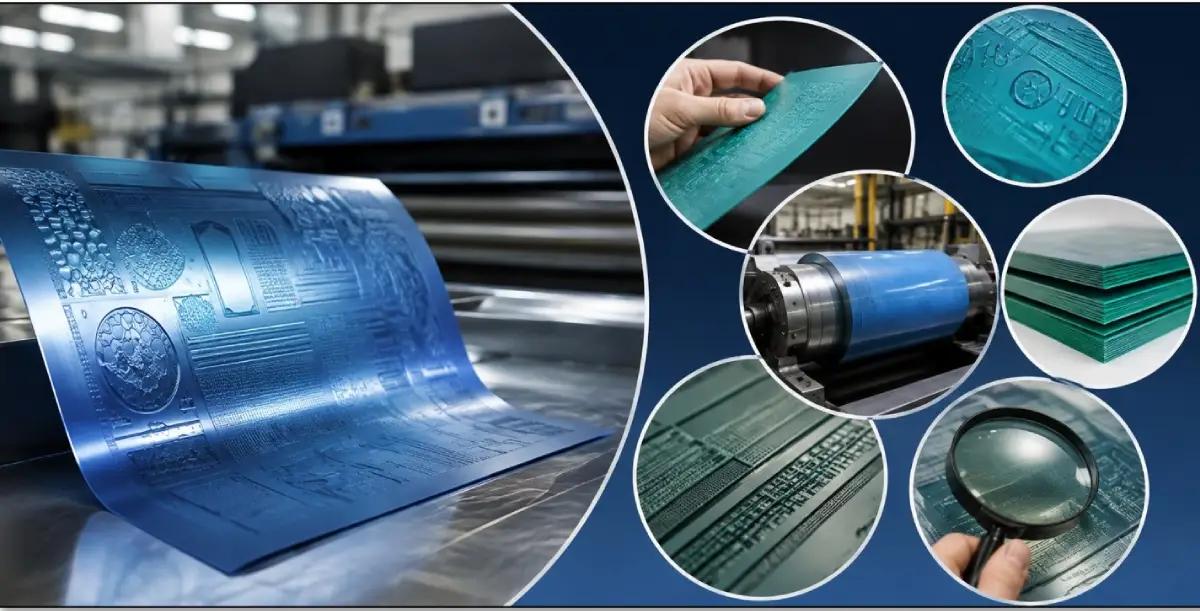
If you are searching for photopolymer plates for sale, you already know how much the right plate can affect your final print. A good plate gives you sharp lines, clean detail, and consistent results run after run, while a poor one can waste your time, your material, and your budget. Before you place an order, it helps to slow down and think through a few things that actually matter for your specific project. We put together this guide to help you make a smarter choice the first time around.
Know Your Print Application First
The type of printing you plan to do should shape every other decision you make. Letterpress, flexography, and hot foil stamping all call for different plate thicknesses, durometer levels, and surface textures. We always recommend figuring out your exact application before browsing options, because a plate built for packaging work will not behave the same way on a tabletop letterpress. Taking this step early saves you from returns and reprints later.
Check Plate Thickness And Durometer
Thickness and hardness directly affect how much pressure your printed image can handle and how deep your impression will look. Thinner plates tend to suit fine detail and small text, while thicker ones hold up better for bold designs and heavier stock. Getting this wrong is one of the most common reasons people end up unhappy with a purchase, so it is worth double-checking the specs before you commit.
Look At Material Quality And Durability
Not all plates are made the same, even if they look similar in photos. Cheaper materials can degrade faster, lose detail after repeated runs, or react poorly to certain inks and solvents. When you are comparing printing plates for sale, pay attention to how the material is described and whether it is rated for long-term or high-volume use. A slightly higher upfront cost often pays off through a longer usable life.
Consider Turnaround Time
Deadlines matter, especially if you are running a small print shop or handling client work. Some suppliers offer same-day or next-day processing, while others may take a week or longer depending on order volume. It is smart to ask about turnaround before you buy, particularly if you have a tight production schedule coming up.
Compare Pricing Without Cutting Corners
Everyone wants a fair price, but the cheapest option is not always the smartest one. When evaluating photopolymer plates for sale, weigh the price against exposure quality, resolution, and how well the plate is suited to your equipment. A few dollars saved on a low-quality plate can cost far more in wasted stock and reprints down the line.
Ask About Custom Sizing And Design Support
Some projects need standard sizes, while others need custom dimensions or artwork adjustments before the plate is made. Look for a supplier who offers flexible sizing and can guide you through file setup if you are new to the process. This kind of support matters a lot, especially if you are:
- New to photopolymer printing and unsure about file requirements
- Working with unusual dimensions or shapes
- Trying to match an existing plate you have used before
- Producing a large batch and need consistency across every plate
Read Reviews And Ask Questions
Before you finalize an order, take a few minutes to read what other buyers have said about their experience. Reliable communication, accurate exposure, and consistent quality are things past customers will usually mention if they were happy or unhappy with a purchase. Reaching out directly with questions is also a good way to gauge how responsive a supplier actually is.
Conclusion
Choosing the right plate does not have to be complicated once you know what to look for. At PlateCrafters, we work closely with printers of every size to make sure each order fits the project it is meant for, not just a generic spec sheet. If you are ready to get started or still have questions about which plate suits your setup, reach out to our team today, and we will help you find the right fit.
FAQs
1. What type of photopolymer plate is best for a printing project?
The right plate depends on the printing method, material, design detail, and equipment being used.
2. Does plate thickness affect printing results?
Yes, thickness can influence impression depth, detail reproduction, and overall printing performance.
3. Are custom-sized photopolymer plates available?
Custom sizing can be useful for unusual projects or specific press requirements, depending on the supplier.
4. How can a reliable plate supplier be identified?
Look for consistent quality, clear specifications, dependable turnaround times, and responsive customer support.
5. Is the low-priced printing plate always the best option?
Not necessarily, as quality, durability, and consistency should also be considered when comparing prices.