
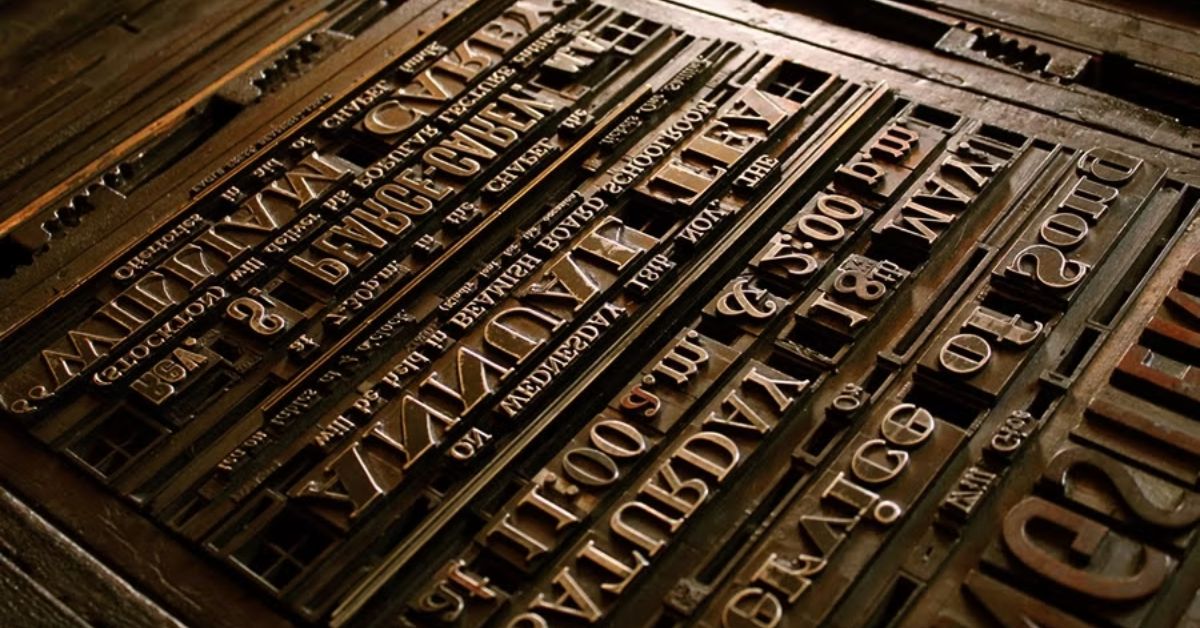
One enters a print house and soon understands that there is more art than science in the plate production. It has become a process that has gone way beyond the mechanical process of the decades past. Now, producers mix age-old processes with finer digital imaging and provide sharper lines, more even ink coverage, and fewer surprises during printing. To printers and collectors who have an interest in the Vintage printing plates for sale, this evolution is a refreshing change since it ensures that the history of the plates is not lost as their use on modern workflows is valid and can be relied upon. Old-fashioned plates have not lost their charisma, yet they can be used without any frequent adjustments.
Digital Imaging and Sustainability.
Digital imaging has revolutionized the way plates are manufactured. It has the ability to give incredible detail and precision, which was not possible in older mechanical processes. Simultaneously, a number of manufacturers are paying attention to sustainability, using materials and operations that do not create waste at the cost of quality. Such accuracy and environmentally friendly operations enhance the production and make the presses run more efficiently. It is observed in minute ways by printers. The colors are better maintained, the highlights remain open, and the number of plates that require reworking reduces.
Modern Printing Needs Customization.
Customization is one of the trends that cannot be overlooked. There are no universal presses, inks, and substrates, and current production allows making plates fit into one need or another. Printers take less time troubleshooting and more time printing quality print with custom thickness, relief depth, and durometer adjustments. To one interested in Vintage printing plates for sale, this is an added advantage since older designs will not need to be compromised with the new equipment.
Major Characteristics of the best manufacturers.
The manufacturers of the best printing plates do not merely produce the plates. They mentor printers, offer proofing resources, and offer technical expertise that makes each task simpler. The practical aspects that distinguish the best manufacturers are:
- Homogeneity among the orders.
- Consistent turnaround times that keep up with production schedules.
- Careful consideration in imaging and finishing.
- Instruction on specialty printing requirements.
- Comprehensive quality inspections to identify possible problems in advance.
These characteristics may appear simple, but combined will help printers save time and frustration and enhance the results.
Conclusion
The current printing plate manufacturers are concerned with accuracy, dependability, and collaboration. Plates make up no more than part of the story. There is a difference between the support, experience, and insight of a manufacturer. In Plate Crafters, there is a perfect mix of modern technology and a love of history, and we sell plates that work consistently on press, yet retain the quality of Vintage printing plates. To find out more about how the correct plate support can enhance your next print job, contact us today, in case you want to upgrade your workflow or add a vintage look to your projects.
Also Read: How Flexographic Printing Companies Use Foil Stamping to Elevate Packaging.
FAQs
1. Can vintage printing plates still produce high-quality prints?
Yes, when properly maintained, vintage plates can deliver sharp detail and vibrant prints, especially when paired with modern presses.
2. How do printing plate manufacturers ensure plate longevity?
Top manufacturers use precise imaging, quality materials, and thorough finishing to create plates that hold up through long print runs.
3. Are there specific types of projects suited for vintage printing plates?
Vintage plates are ideal for specialty designs, limited editions, retro packaging, or any project that benefits from classic print textures.
4. What role does proofing play in modern plate production?
Proofing allows printers to catch errors, verify details, and ensure the plate will perform exactly as expected before full production begins.
5. Can older plates be integrated with digital workflows?
Yes, modern imaging and digital proofing make it possible to use vintage plates alongside current production systems without compromising quality.