
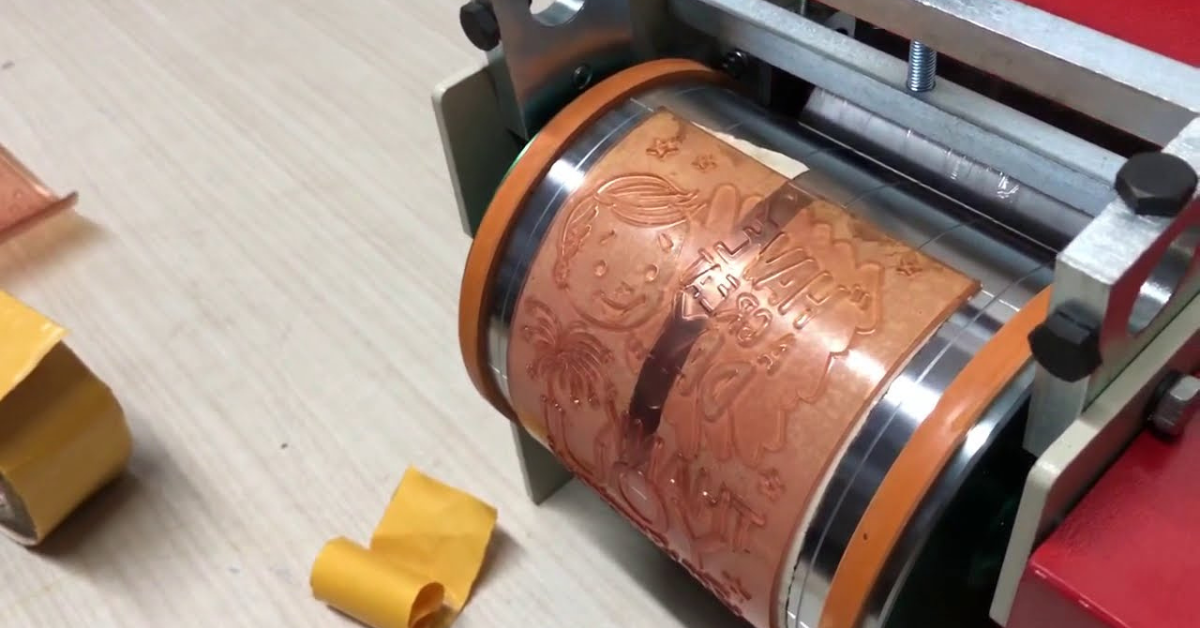
Printing on rough substrates has a way of exposing shortcuts. What looks fine on smooth stock can fall apart the moment the surface gets uneven, broken solids, patchy coverage, or edges that never quite land. This is exactly where rubber printing dies earn their keep. At PlateCrafters, we’ve seen it often enough to have a clear opinion-when the substrate won’t cooperate, rigid plates are usually the wrong tool for the job.
Rough materials demand flexibility, not force. Trying to overpower texture with pressure only creates new problems, plate wear, press strain, and inconsistent results. Rubber approaches the problem differently. It works with the surface instead of pushing against it.
Rough Substrates Don’t Behave, And That’s the Point
Textured papers, corrugated materials, and industrial stocks aren’t flawed; they’re built for function. But from a printing standpoint, they’re unpredictable. High spots meet the plate first. Low spots lag. If the plate can’t adapt, ink never reaches those valleys.
This is where rubber printing dies change the outcome. Rubber compresses under impression and rebounds cleanly. That compression allows the image area to meet the surface across its highs and lows, not just at the easiest contact points. The result isn’t perfection, but it’s control. And control is what rough substrates take away from rigid tooling.
We design rubber plates with that reality in mind. The goal isn’t to flatten the material. It’s to maintain consistent contact where consistency would otherwise be impossible.
Why Rubber Transfers Ink More Evenly on Texture
Ink transfer is the first thing to suffer on rough stock. You’ll see it immediately in solids, thin areas, skips, and mottling that no press adjustment seems to fix. The issue usually isn’t ink. It’s contact.
Rubber’s ability to flex under pressure allows it to carry ink into uneven areas without overloading the highs. That balance is what makes rubber printing dies effective on textured substrates. They don’t need excessive pressure to do their job, which helps protect both the plate and the press.
From our side, producing rubber plates is about controlling that compression. Too soft, and the detail washes out. Too firm, and the plate behaves like something it isn’t. As rubber platemaking manufacturers, we spend a lot of time getting that balance right because it directly affects print quality on difficult materials.
Consistency Matters More Than Sharpness on Rough Stock
On smooth substrates, sharpness gets most of the attention. On rough substrates, consistency is what separates acceptable from unusable. If the image prints well in one area and falls apart in another, the job fails, even if parts of it look good.
Rubber helps stabilize the result. Because it adapts across the surface, impressions stay more uniform from edge to edge. Fine detail may soften slightly, that’s the tradeoff, but coverage improves, solids hold together, and the printed piece reads the way it’s supposed to.
That’s why rubber printing dies are often chosen for industrial and packaging applications. These jobs aren’t about microscopic detail. They’re about reliability, legibility, and repeatability under less-than-ideal conditions.
Durability When Pressure Is Unavoidable
Let’s be honest, rough substrates often require more pressure. There’s no avoiding that entirely. The question is how the plate handles it over time.
Rubber holds up. It absorbs stress instead of cracking under it. That resilience matters in production environments where plates see repeated impressions and variable conditions. As experienced rubber platemaking manufacturers, we build plates to survive that reality, not just the first run.
Durability isn’t just about lifespan. It’s about consistency from the first impression to the last. Rubber plates maintain their performance longer, which means fewer mid-run adjustments and less downtime chasing problems that originate at the plate.
Easier Setup, Fewer Corrections
Another practical advantage of rubber shows up during setup. Rubber plates are forgiving. They allow presses to reach proper impression without the fine-margin adjustments that rigid plates often demand on rough stock.
Rubber printing dies give operators a wider operating window. Slight substrate variation from batch to batch doesn’t immediately throw the job off. That tolerance saves time and reduces waste, especially when material quality isn’t perfectly uniform.
At PlateCrafters, we see this as a production advantage, not a convenience. Fewer adjustments mean more predictable output, and predictable output is what keeps jobs moving.
Conclusion
Printing on rough substrates will always be challenging, but it doesn’t have to be unpredictable. Rubber printing dies offer the flexibility, durability, and ink transfer control needed to produce consistent results on uneven materials. They don’t fight texture; they adapt to it.
At PlateCrafters, we take that approach seriously. As dedicated rubber platemaking manufacturers, we build rubber plates designed for real substrates and real production demands. When print quality matters and the surface won’t play nice, rubber remains one of the most reliable tools available.
Also Read: Why Rubber Plates are the Gold Standard for Rough Surfaces?.
FAQ’s
Rubber printing dies compress under pressure, allowing consistent ink transfer across uneven surfaces without damaging the substrate.
They often require less corrective pressure because rubber adapts to surface texture instead of forcing rigid contact.
Yes, their durability and resilience help maintain consistent print quality throughout extended or repeat production runs.
Textured papers, corrugated materials, and industrial surfaces benefit from rubber’s flexibility and consistent ink transfer.
Experienced rubber platemaking manufacturers understand that compression control, durability, and ink transfer are critical for printing on rough substrates.