
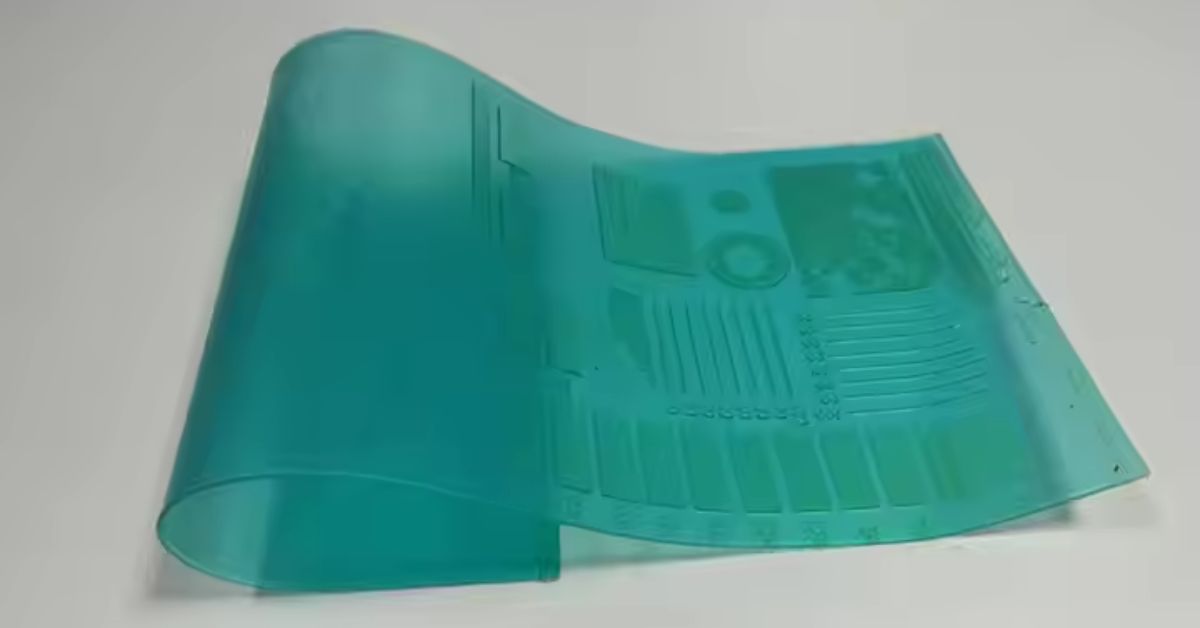
If you have ever stood beside a flexographic press during a long production run, you know something pretty quickly. When the plate is right, everything just flows. Ink lays down the way it should, small text stays crisp, and operators are not constantly tweaking settings. But when the plate is wrong, the problems show up fast. Colors drift, dots break up, and suddenly everyone on the floor is trying to figure out what went wrong. That is usually the moment printers start thinking more carefully about who is making their plates. Choosing dependable photopolymer manufacturers is less about convenience and more about protecting the entire print process from unnecessary trouble.
Experience in Flexographic Plate Production
Experience counts for a lot in this business. Plate production might sound straightforward on paper, but in reality, there are dozens of tiny decisions happening along the way. Exposure times, screening patterns, plate materials, and processing temperatures. All of those things affect how a plate behaves once it hits the press. The reliable photopolymer manufacturers are the ones who have been around long enough to recognize problems before they show up in print. You can usually tell when someone understands the process because they start asking specific questions about your press, your substrates, or your ink system. That kind of curiosity is a good sign because it means they are thinking about the final print result, not just the plate itself.
Technology and Equipment Behind Plate Quality
Of course, a good experience still needs good tools. Plate making today relies on precise digital imaging systems and carefully controlled exposure units. When those systems are dialed in properly, they produce plates with extremely consistent detail. Highlights stay open, gradients look smoother, and tiny lines do not break apart during printing. Printers notice those things immediately. One press operator I spoke with once joked that you can tell a good plate within the first five minutes of a run because the press does not fight you the entire time. There is some truth in that.
The Role of Communication and Proofing
Another thing that separates dependable manufacturers from average ones is communication. Printing involves a lot of moving parts, and sometimes the artwork file that looks perfect on screen behaves differently once it moves into plate production. That is why many plate providers take time to review files and confirm details before imaging begins. During this stage, specialists such as Proofing plate crafters may step in to verify layouts, color expectations, and structural elements. It might sound like a small step, but catching a detail early can prevent a long and frustrating press adjustment later.
Key Qualities Reliable Manufacturers Share
Printers who have worked with several plate providers over the years tend to notice a few patterns. The dependable ones usually share a handful of practical habits that make life easier on the pressroom floor. Those habits often include:
- Delivering plates that stay consistent across repeat jobs
- Meeting turnaround times that printers can actually rely on
- Reviewing artwork carefully before starting production
- Offering helpful feedback when files need adjustment
- Paying close attention during imaging, exposure, and processing
None of these sounds dramatic, but together they make a noticeable difference in day-to-day production.
Building a Long-Term Printing Partnership
Over time, good working relationships start to form between printers and their plate suppliers. A manufacturer who understands your press setup, your common substrates, and the way your team works becomes much easier to collaborate with. They start anticipating potential issues before they happen, and that saves everyone time. Printers appreciate that kind of reliability because press schedules are already tight enough without adding plate problems into the mix.
Conclusion
At the end of the day, most printers are simply looking for plates that behave the way they should. They want details that hold, dots that stay stable, and materials that do not surprise them halfway through a run. Those things come from careful plate production and people who understand the printing process from start to finish. At Plate Crafters, the goal is to support printers with plates that perform consistently where it matters most, right on the press. If you are reviewing your current plate process or thinking about working with a different manufacturer, this might be a good time to reach out and see how the right support can make your next print job run a little smoother.
Also Read: When UV Coating Plates Outperform Blanket Coating Techniques in Real Print Production.
FAQs
1. What do photopolymer plate manufacturers do?
They make flexible printing plates for flexographic printing that carry the image for ink transfer onto packaging, labels, and other materials.
2. Why use photopolymer plates?
They provide fine detail, consistent ink transfer, and durability, making them ideal for packaging and label printing.
3. How does proofing help?
Proofing checks layout, color, and design before plates are made, catching issues early and saving time on press.
4. What to look for in a plate manufacturer?
Experience, consistent quality, clear communication, reliable turnaround, and understanding of press workflows.