
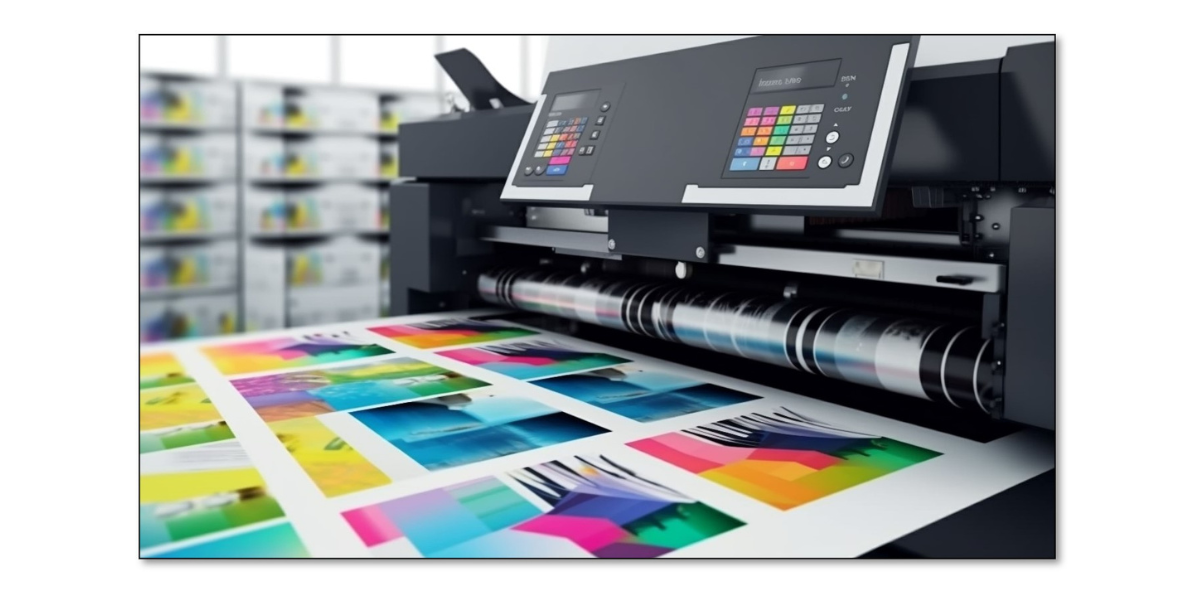
Rubber plates are still chosen in printing because they handle pressure, ink, and surface variation with steady results over long runs. The process behind rubber printing-dies is straightforward, but every step has to be controlled carefully to keep the final output consistent and reliable. At PlateCrafters, this workflow is built around that discipline, from engraving through to the finished plate.
Engraving Sets the Foundation
The process begins with engraving, where artwork is converted into a physical master. This step is more than just transferring a design. It defines how the entire plate will behave once it hits the press.
Any loss of accuracy here shows up later as uneven impressions or weak detail. That’s why precision at this stage is treated as non-negotiable.
Building The Magnesium Master
Once engraving is complete, a magnesium base is used to form the master. Magnesium allows clean, controlled etching, which helps preserve detail before the rubber even enters the process.
This master is what carries the structure of the design forward. If it’s not accurate, nothing downstream can fix it. It’s the reference point for everything that follows in rubber printing die production.
Heat And Pressure Shaping the Plate
Rubber plate formation happens through vulcanization. The rubber material is placed under heat and pressure with the magnesium mold, allowing it to take on the final shape.
This stage is where performance characteristics are decided. Hardness, flexibility, and surface response all depend on how tightly this part of the process is controlled. Even small variations can change how the plate behaves under pressure.
Finishing That Protects Consistency
After vulcanization, the plate is cleaned, trimmed, and checked for accuracy. This isn’t just a finishing step. It’s where issues like uneven transfer or surface imperfections are caught before the plate reaches production.
For rubber platemaking manufacturers, this stage is where consistency is protected. A plate that looks right but performs poorly on press is not acceptable, so inspection becomes a critical part of delivery.
Why Rubber Plates Remain a Reliable Choice?
Rubber plates continue to be used because they handle pressure differently. They absorb impact, manage ink well, and stay stable across longer runs and difficult substrates.
In environments where other materials wear down too quickly or lose clarity, rubber still holds steady. That reliability is what keeps it relevant in specialized printing applications.
Where Magnesium and Rubber Connect
The relationship between magnesium engraving and rubber plates is straightforward. One provides precision, the other provides durability. Together, they create a system that balances detail with strength.
Without the magnesium stage, rubber plates lose accuracy. Without rubber, magnesium lacks flexibility. The workflow depends on both working in sequence.
How Platecrafters Approaches the Process
At PlateCrafters, rubber plate production is handled with the same level of control applied across all pre-press work. From engraving through final inspection, each step is managed to ensure the finished rubber printing dies perform consistently under real production conditions.
That approach is what allows us to remain a trusted source for rubber platemaking manufacturers who need dependable output for demanding applications.
Also Read: Common Issues in Die Making and How They Are Prevented .
FAQs
What is the first step in making rubber printing dies?
It begins with engraving, where the artwork is converted into a physical master that defines the structure of the final plate.
Why is magnesium used in the workflow?
Magnesium is used to create a precise master mold because it etches cleanly and preserves fine detail during production.
What is vulcanization in rubber-plate making?
It is the process where rubber is heated and pressed into a mold to form the final printing plate.
Why are rubber plates still used today?
They are valued for their durability, ink handling, and ability to perform well on challenging surfaces and long print runs.