
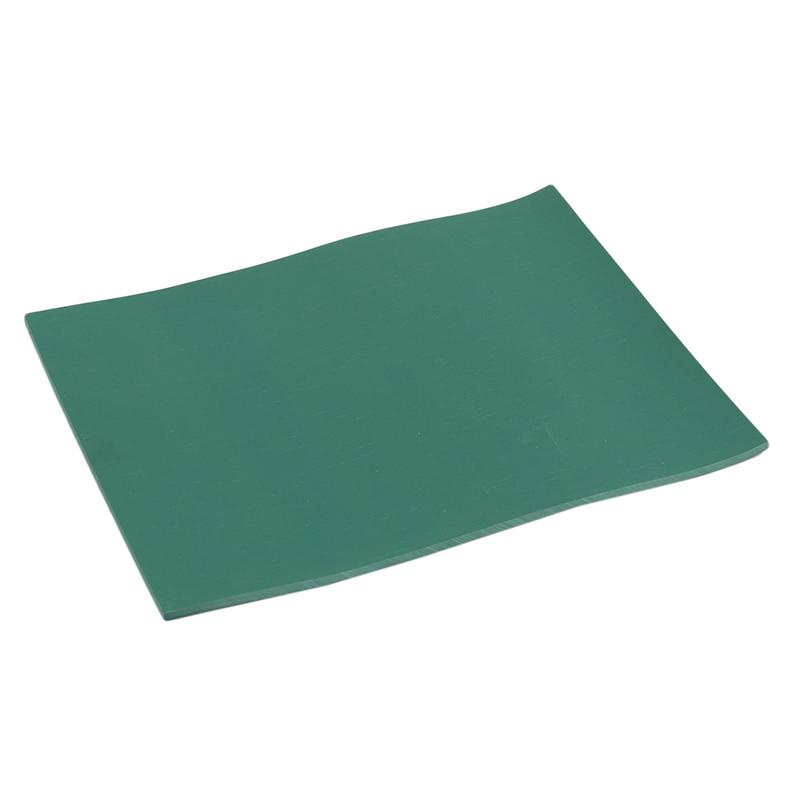
Digital photopolymers have taken over the high-definition label industry due to their functionality and immense cost-saving benefits. But the world’s industrial backbone, heavy-duty marking, newspaper printing, and corrugated packaging still relies on 19th-century synthetic rubber printing plates.
PlateCrafters has been creating rubber plates since 1971, and the reason is simple: rubber is the only material that can give a faultless imprint when the surface is rough, recycled, or uneven. Rubber printing dies remain indispensable for specific applications where durability and ink transfer are paramount.
Why Rubber Printing Plates Are Used?
Photopolymer plates are plastics that are sensitive to light, but rubber plates are made by a process called vulcanization. This requires heat and pressure to turn raw rubber into a strong, elastic printing tool.
- Rubber has the ability to compress against uneven surfaces and then return to its original shape right away.
- When it comes into contact with harsh solvents, oil-based inks, or high-acid compounds that would damage a regular plastic plate. Rubber tends to remain durable and effective.
- The surface of materials like recycled corrugated cardboard or woven poly-bags have uneven surface. Rubber can fill in pits and valleys, but the same cannot be done with plastic plates.
Precision-Crafted Rubber Printing Dies
These dies are made while considering tolerances to fit the needs of specific presses, substrates, and ink systems, unlike mass-produced ones. When making rubber printing dies, CNC engraving or molding is usually done with great attention. The procedure depends much on the accuracy of the instruments applied; in this case, the quality of the hot foil stamping dies, which play the role of the master template of each impression.
It requires a level of accuracy that lets them print bold lettering, crisp logos, and deep ink coverage on materials where other plates don’t work. Rubber can beforged with multiple levels of hardness, so it can be used for anything from fine-line security patterns to heavy-block typography.
Durability and Sustainability
Rough surfaces frequently cause greater friction, which can quickly wear down regular plates. Rubber printing plates are made to keep their shape and work well even after being used on rough surfaces several times. This durability means that the plates will last longer, need to be replaced less often, and cost less to run over time.
The initial setup may be similar to that of other plate types, but rubber printing dies last longer and need less maintenance, making them a cost-effective choice for lengthy production runs on tough surfaces.
Moreover, it boasts:
- Eco-friendly printing method
- Reduced printing cost
- Better and consistent print result
- Effective inclusion for industries wanting to print on recycled paper
Conclusion: Legacy That Boasts Perfection
Rubber plates that have been vulcanized don’t change shape even when they are put under pressure many times. Something that is useful during the requirement of consistent printing, this has been the leading strategy for PlatCrafters.
Through a process of attaching the durability and the rubber printing plate with the accuracy and the current pre-press software. We equip our clients with the instruments as innovative as they are strong.
Rubber printing dies act as an arsenal for industries that require smooth and flawless printing on a rough surface. Something that is built to last and provide a professional after-impression.
Also Read: Quality Rubber Printing Dies Built by Manufacturers Who Know How They’re Used.
FAQ’s
Rubber printing dies excel on rough, uneven, and recycled surfaces where photopolymer plates fail.
Corrugated packaging, newspapers, heavy-duty marking, and recycled paper printing rely heavily on rubber plates.
They are created through vulcanization using heat and pressure, often combined with CNC engraving for precision.
Yes, rubber plates resist wear, harsh inks, solvents, and repeated pressure far better than plastic-based plates.
Yes, their long lifespan, reduced replacements, and suitability for recycled substrates support sustainable printing.