
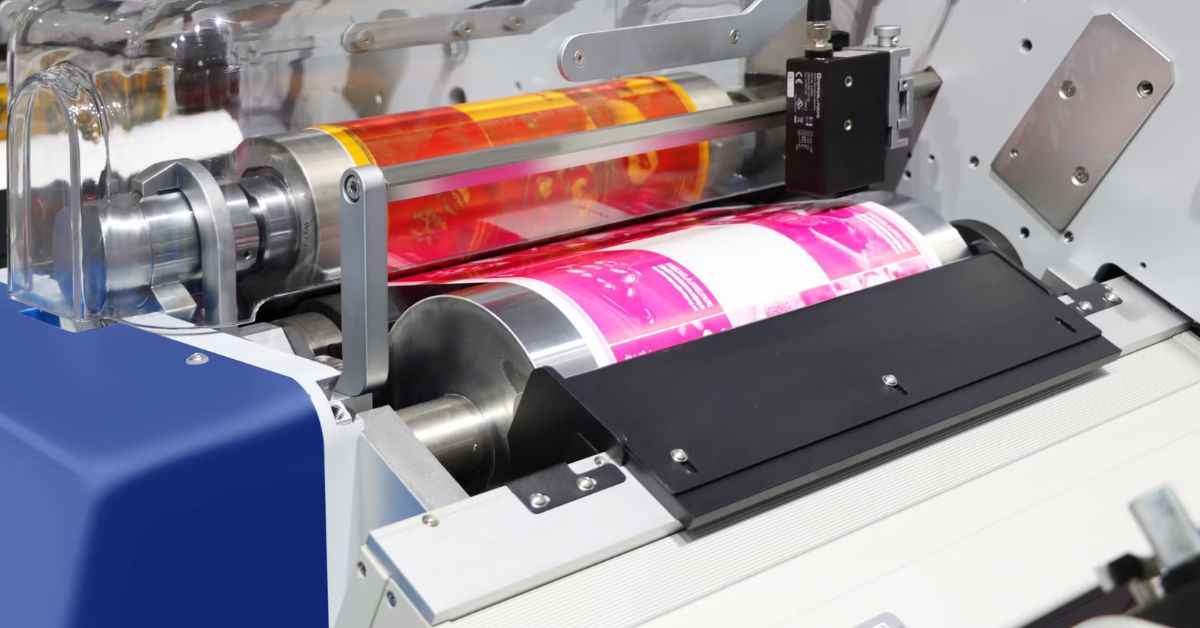
Simple labels and packages require hours of thinking before a press is turned on. Pre-press, artwork, colors, and minute details determine everything. When searching for Flexographic printing plate companies near me, most organizations prioritize speed or pricing, but the true difference is how a company anticipates problems. The plate’s quality depends on its preparation; even the smallest mistakes, like a line thickness and color discrepancy, can waste materials and cause delays. However, correctly doing all this makes the press smoother, the colors consistent, and the end print looks easy while the under work was difficult.
The difference between Flexographic Pre-Press and Otherwise.
Art that appears flawless on a screen hardly ever prints without a pre-press of great care. Flexographic Pre-Press is where files are analyzed, optimized, and modified to ensure that all details are brought out clearly and colors do not go out. This step entails more than technical adjustments; it is a blend of science and intuition. Too thin lines that are not capable of taking ink, colors changing when printed, or spacing that results in problems in registration are all solved here. Seasoned professionals are aware of these idiosyncrasies after years of observing what occurs when plates collide with designs, and how to deal with them can keep the press moving and prevent the headache that will occur subsequently.
Ordinary Hurdles that Stamp Pre-Press.
Pre-press is fraught with pitfalls unless it is approached carefully. Poor graphics of low quality may become blurry, color lines may become off, and fine details may be destroyed by a slight irregularity in the lines. It even introduces small registration mistakes that mess up the appearance of the entire run. The following are some of the problems that recur:
- Art that is not of a resolution to support complex designs.
- Colours that do not separate are overlaid with ink.
- Thin or inappropriate lines, which may cause failure in the transfer of ink.
- Misregistration leading to the movement of text or graphics.
It is much more predictable and will save time, money, and stress when these issues are spotted prior to plates going to press, which makes production much more predictable.
The way Experienced Plate Companies cope with these difficulties.
Experienced plate manufacturers approach the issue of pre-press through the combination of technology and experience. Modern software is used to detect technical problems, imaging systems maintain accuracy, and meticulous testing confirms findings before the plate is even pressed. One example is Plate Crafters, which continues to use modern working processes alongside great attention to detail to create plates capable of carrying fine lines and consistent performance through extended runs. When searching amongst Flexographic printing plate companies near me, it really counts when dealing with a company that really knows what pre-press is all about and the difference between an easy run and one that has to be problem-solved.
Conclusion
In pre-press, the quality of a print run is determined. All the processes, including checking the artworks and assembling the plates, influence the final product. Carefully assembled plates generate fewer surprises, cleaner images, and more efficient productions. Collaborating with an experienced provider will guarantee that the presses operate with predictability and that the outcomes remain consistent. Contact a reputable plate company today and find out how considerate pre-press work can ensure your next printing project flows smoothly.
Also Read : Step-by-Step: How Photopolymer Printing Plates Are Manufactured.
FAQs
-
What is the role of pre-press in flexographic printing?
Pre-press prepares and adjusts artwork before plate production. It ensures colors, lines, and details print clearly and accurately.
-
What are common challenges during the pre-press stage?
Low-resolution artwork, incorrect color separation, and thin lines often create issues. These problems can affect print clarity and alignment if not fixed early.
-
How do flexographic plate companies solve pre-press problems?
They use specialized software, precise imaging, and careful file reviews. This helps detect and correct errors before the plate goes to production.
-
Why choose an experienced flexographic plate provider?
Experienced providers reduce printing errors and improve consistency. Their expertise ensures smoother production and reliable print results.