
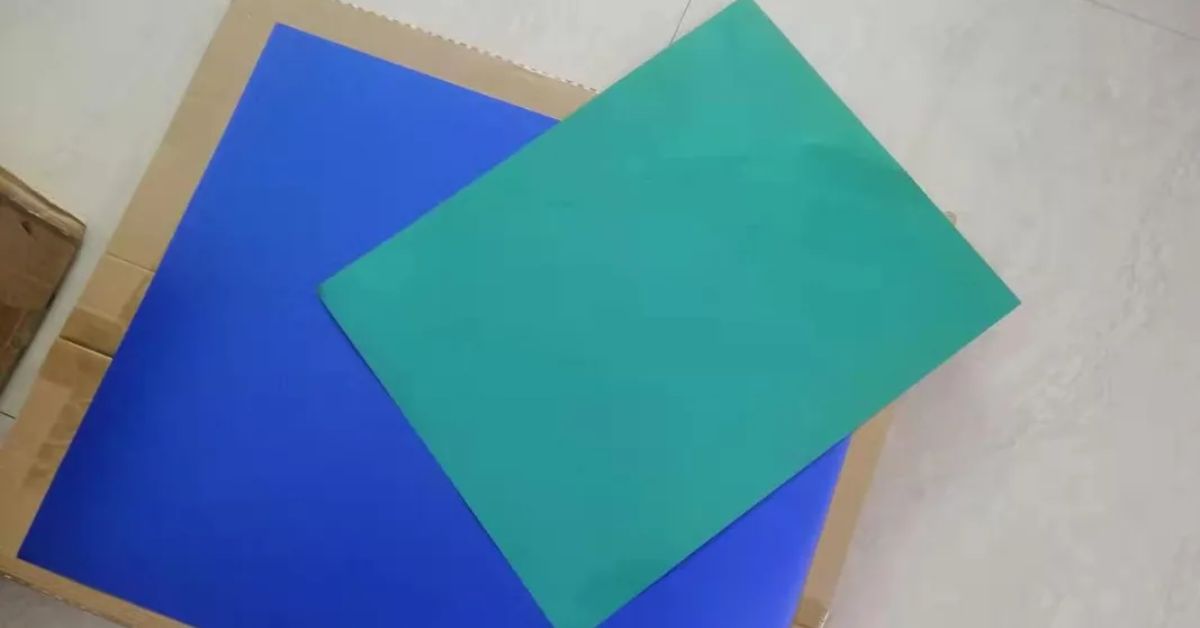
UV coating is one of those finishing steps that looks simple from the outside. A glossy pop here. A protective layer there. But anyone who has run a UV press knows how quickly things can go wrong when the plate is not made right. That is where experience matters.
At PlateCrafters, we approach UV coating plates with the same mindset we bring to every flexographic project. Think ahead. Respect the press. Build plates that behave predictably under real production conditions. This guide explains how we think about UV coating plates, what separates reliable plates from frustrating ones, and why working with experienced flexographic plate manufacturers makes a noticeable difference.
What Makes UV Coating Plates Different
UV coating plates are not the same as standard printing plates. Their job is very specific. They control where coating is applied, how evenly it lays down, and how clean the edges appear once cured.
Small inconsistencies show up fast in UV work. Uneven coating. Pooling. Missed areas. Excess buildup. Most of these issues trace back to plate construction and preparation.
We design UV coating plates to deliver controlled transfer. That means clean coverage where coating is needed and sharp cutoffs where it is not. The plate surface, relief depth, and material choice all play a role. When those elements are balanced, coating becomes consistent instead of unpredictable.
Why Material Choice Matters in UV Plates
At PlateCrafters, photopolymer plays a major role in our UV coating solutions. Photopolymer offers the stability and detail control needed for coating applications, especially when jobs involve fine areas, tight tolerances, or repeat runs.
The wrong material can lead to swelling, distortion, or inconsistent coating thickness. We avoid those problems by selecting materials that hold their shape and perform under UV conditions. That choice directly affects press efficiency and finished appearance.
This attention to material selection is one reason printers trust our UV coating plates across a wide range of applications.
Pre-Press Still Sets the Tone
Even though UV coating plates do not carry ink, pre-press still matters. A lot.
Before a plate is ever made, we review files with coating behavior in mind. Where should the coating stop? How sharp do the transitions need to be? Are there areas that require special handling due to substrate or layout?
Our pre-press approach supports plate performance. It reduces surprises later. That alignment between file preparation and plate making is something experienced flexographic plate manufacturers never skip.
At PlateCrafters, we treat UV coating plates as part of the full production system, not as an afterthought.
How Our Experience as Flexographic Plate Makers Helps
Being hands-on flexographic plate manufacturers gives us perspective. We understand how plates behave once they leave our facility. We know what happens when press speeds increase or when substrates change mid-run.
That knowledge shapes how we build UV coating plates. We anticipate pressure points, registration challenges, and coating flow issues before they appear on press. This is not theory. It comes from years of plate production and close collaboration with printers.
When plates are built with real-world use in mind, the pressroom benefits immediately.
Consistency Across Runs Is Not an Accident
One of the biggest frustrations printers face is inconsistency. A job runs perfectly once, then struggles the next time. Often, the plate is the variable.
We build UV coating plates with repeatability in mind. Plate consistency supports consistent coating thickness, edge definition, and cure results from run to run. That reliability saves time and reduces waste.
As flexographic plate manufacturers, we focus on control. Control of materials. Control of the process. Control of outcomes. It is the only way to support long-term printing success.
How UV Coating Plates Fit into the Bigger Picture
UV coating is rarely isolated. It interacts with printed inks, substrates, and finishing steps. A plate that doesn’t take those interactions into account causes problems later on.
At PlateCrafters, we think about how UV coating plates work with flexographic printing plates, press settings, and finishing needs. This bigger picture helps make sure that the coating makes the printed piece better instead of making production harder.
Good plates support the entire workflow. They do not fight it.
What Printers Gain by Working with PlateCrafters
When you work with PlateCrafters, you are not just ordering plates. You’re using a process that is based on clarity and experience.
Our UV coating plates are designed to reduce press adjustments, support clean coverage, and perform reliably under UV conditions. Our role as allows us to see the full picture and make informed decisions at every stage.
We focus on practical results. Plates that mount easily. Plates that run predictably. Plates that make it easier for printers to meet expectations without having to fix problems all the time.
Bringing It All Together
UV coating can elevate a printed piece or undermine it. The difference often comes down to plate quality and preparation.
At PlateCrafters, we build UV coating plates with intention. Every decision is tied to how the plate will perform on press, not just how it looks in production. Our experience as flexographic plate manufacturers shapes every step, from material selection to pre-press alignment.
When plates are built with care and understanding, UV coating becomes a reliable finishing step instead of a recurring challenge. That is the standard we work toward on every project.
Also Read : A Practical Guide to Flexographic Printing Plates and Flexographic Pre-Press That Actually Makes Sense
FAQ’s
UV coating plates are specialized plates used to apply a protective or decorative UV coating to printed materials. They enhance gloss, durability, and visual appeal on paper, cards, and packaging.
UV coating plates transfer a UV-sensitive coating onto the printed surface. Once applied, the coating is cured using ultraviolet (UV) light, creating a smooth, glossy, or matte finish that protects and enhances the print.
Most UV coating plates are made from photopolymer materials. These plates are durable, flexible, and precise, allowing consistent coating application for high-quality finishes on various substrates.
UV coating plates are commonly used in packaging, labels, business cards, brochures, luxury prints, and specialty promotional materials, providing a professional, eye-catching finish.
The lifespan of UV coating plates depends on press conditions, coating type, and maintenance. Proper handling can allow plates to produce thousands to millions of coated prints without losing quality.